
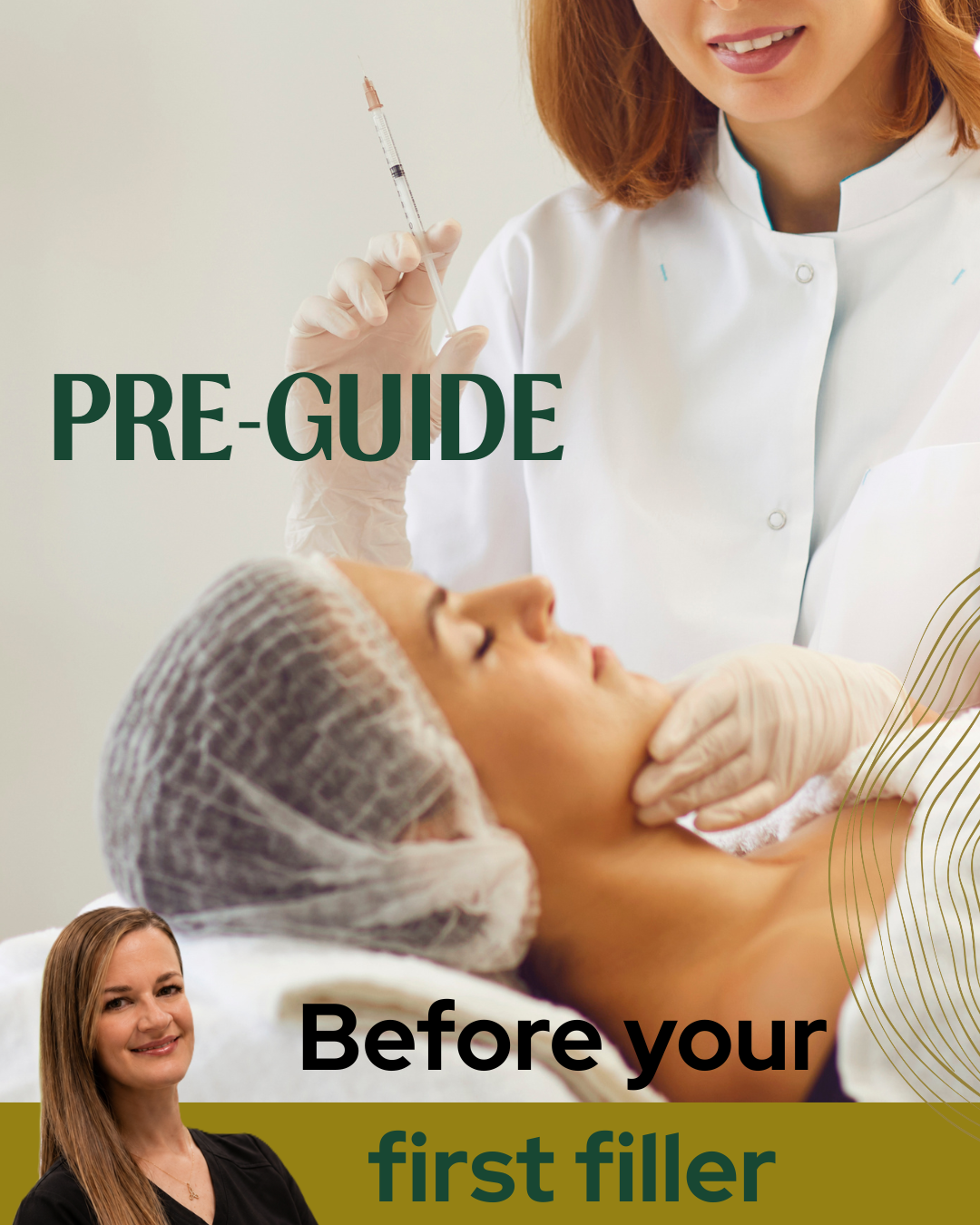
Pre-guide: Your First Filler
How to Prepare for Your First Dermal Filler Treatment: A Doctor's Guide to Safe, Natural-Looking Results - Choosing to have your first dermal filler treatment is an exciting step, but it's also natural to have questions. How should you prepare? Is there anything you should avoid? And what can you do to achieve the best possible results?The truth is that successful dermal filler treatment begins before you arrive at the clinic. Proper preparation can help minimise bruising, reduce swelling and support a smoother recovery.One of the most common questions patients ask at Emerald Hair Restoration & Aesthetic Clinic in Dublin is:"Is there anything I should do before my filler appointment?"

Dermal Filler Preparation Guide
Optimising your cellular canvas for safe, predictable, and exceptional results
The answer is yes. A few simple precautions taken in the days leading up to your treatment can make a noticeable difference to both your comfort and your final results.
At Emerald Hair Restoration & Aesthetic Clinic, Dr. Tünde Tarjányi believes that patient education is just as important as the treatment itself. Every patient receives personalised medical advice to ensure their procedure is as safe, comfortable, and effective as possible.
Why Preparation Matters
Dermal fillers are advanced, minimally invasive medical treatments, but they still involve precise injections into delicate facial tissues. Although most patients experience little to no downtime, the tiny blood vessels and capillaries beneath the skin can occasionally be affected during the process, leading to mild bruising or swelling.
Preparing your body properly before your appointment significantly helps reduce these vascular risks, mitigates the chance of micro-bruising, and supports a much faster, smoother recovery phase afterwards.
What to Avoid 48 Hours Before Treatment
Certain over-the-counter medications, high-dose vitamins, and lifestyle factors can temporarily alter normal blood clotting mechanisms or dilate blood vessels, increasing the likelihood of post-injection bruising.
What Happens During Your Consultation?
At Emerald Clinic, professional ethics dictate that no aesthetic treatment ever begins directly with a needle. A comprehensive medical assessment forms the bedrock of a natural-looking outcome.
The 5 pillars of Dr. Tünde Tarjányi’s assessment:
This tailored, doctor-led approach ensures that recommendations are designed exclusively for your face—never a template.
What to Expect During & Immediately After Treatment
Demystifying the clinical experience allows you to step into the clinic with absolute peace of mind and confidence.
| The Procedure (30–60 Mins) | Normal Post-Treatment Effects |
|---|---|
|
• Comfort Maximisation: A high-potency topical numbing cream is applied based on the area. • Advanced Formulations: Premium dermal fillers containing integrated lidocaine are utilized. • Sensation: Most patients report only a mild, completely manageable pressure or pinching sensation. |
• Swelling & Redness: Mild, localized swelling and clear injection marks are expected. • Tissue Firmness: Temporary firmness or a slight asymmetry while the gel settles. • Resolution: These transient effects are entirely normal and typically resolve over the following few days. |
Frequently Asked Questions
Can I take over-the-counter painkillers right before my appointment?
Unless explicitly directed by your physician, you should strictly avoid non-steroidal anti-inflammatory drugs (NSAIDs) like ibuprofen or naproxen before treatment, as they thin the blood and elevate bruising risks. If pain relief is required, paracetamol is generally preferred, but always confirm this during your medical screening.
Should I stop taking my regular prescription medications?
No. You must never alter, reduce, or stop taking any prescribed medical therapies without the direct authorization and supervision of the healthcare professional who manages your primary care.
Can I apply cosmetics or makeup immediately after dermal fillers?
It is strongly advised to keep the skin entirely bare and free of makeup for several hours post-treatment. This window allows the micro-injection points to seal completely, drastically reducing the risk of introducing surface bacteria into the healing dermis.
Is developing a bruise normal after an injectable procedure?
Yes, mild localized bruising and swelling are incredibly common physiological responses to an injection. While expert techniques and meticulous pre-treatment preparation keep these side effects to an absolute minimum, they are a normal part of the tissue healing process and fade quickly.
