
HAIR TRANSPLANT

HAIR RESTORATION · DUBLIN, IRELAND

Exceptional Expertise. Personal Trust.

Your Hair Deserves Exceptional Hands.

Choosing a hair transplant surgeon is a deeply personal decision. It deserves more than a procedure: it deserves considered medical judgement, meticulous planning and an approach that respects your individuality.

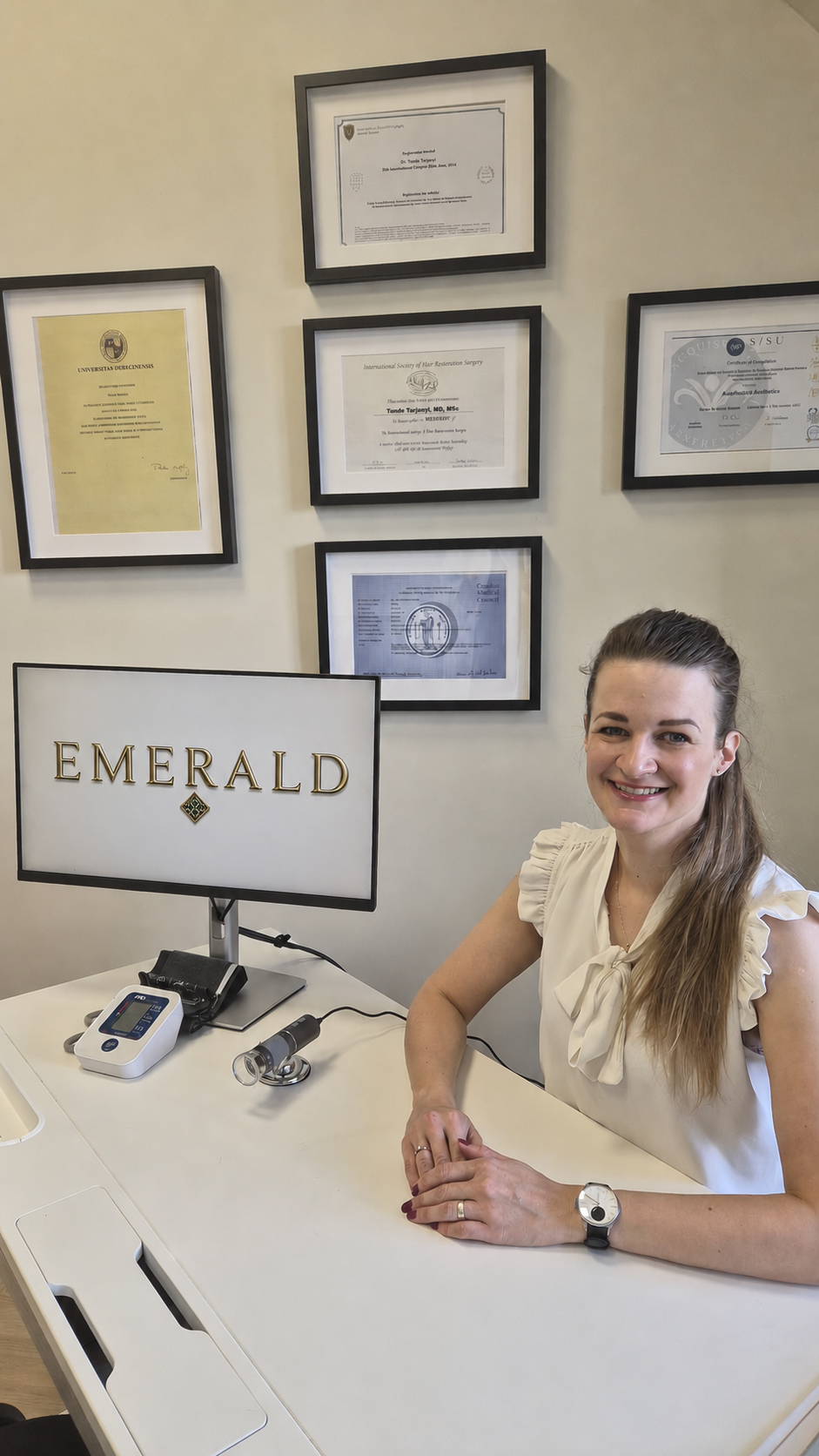
At Emerald Aesthetic Clinic by Dr. Tünde, your hair restoration journey begins with Dr. Tünde Tarjányi, a medical doctor whose professional standing includes Full Membership of the International Society of Hair Restoration Surgery (ISHRS) since 2017.

From the first assessment to the design of a natural-looking hairline, the focus is on understanding your hair loss, evaluating your donor area and discussing what may realistically be achieved. Your treatment plan should be as individual as you are.
Medical assessment Individual planning Natural-looking goals
Dr. Tünde Tarjányi, medical doctor at Emerald Aesthetic Clinic
YOUR DOCTOR Dr. Tünde Tarjányi Medical Doctor · Hair Restoration
International Society of Hair Restoration Surgery emblem
INTERNATIONAL PROFESSIONAL RECOGNITION ISHRS Full Member Member since 2017

A Distinctive Professional Credential

International Recognition. Individual Attention.

Dr. Tünde's ISHRS Full Member status places her within an international professional society dedicated to education, research and standards in hair restoration surgery. For patients, it is a meaningful credential to consider when choosing a doctor for such a personal procedure.

Verify Her ISHRS Membership ↗
ISHRS FULL
MEMBER
SINCE 2017

A Rare Distinction in Irish Hair Restoration

Ireland's Only Female
ISHRS Full Member*

Dr. Tünde's presence in the international hair restoration community represents a distinctive professional milestone. Her ISHRS Full Member profile can be viewed directly through the society's official directory.

View the Official ISHRS Doctor Profile ↗

Professional Credentials

A Foundation of Medical Accountability

Professional credentials should always be transparent and verifiable. The following links connect patients directly with the relevant organisations and official records.

02 IRELAND

Irish Medical Council

Registration No. 414847

The Irish Medical Council record lists Dr. Tunde Tarjányi under General Registration, with her primary medical qualification from Semmelweis University.

Check the Official IMC Record ↗
01

International Standards

The Significance of ISHRS Full Membership

The International Society of Hair Restoration Surgery is an international medical society dedicated to education, scientific exchange and the advancement of hair restoration surgery. Its membership categories have defined eligibility and educational requirements.

According to the society's published membership criteria, applicants for Member status must be physicians with an appropriate medical licence, submit a current curriculum vitae and a professional recommendation, and satisfy the society's minimum educational requirements. Ongoing educational requirements apply to the maintenance of status.

Membership is a professional credential, not a guarantee of a specific transplant outcome. A patient's decision should also take account of surgical experience, donor-area management, patient suitability, transparent risk discussions and the quality of the individual treatment plan.

Read the ISHRS Membership Criteria ↗

Understanding Hair Restoration

Precision Starts with Understanding the Hair Follicle.

A carefully planned transplant depends on more than the number of grafts. Understanding follicular units, the hairs they contain and the donor area's capacity is essential to responsible treatment planning.
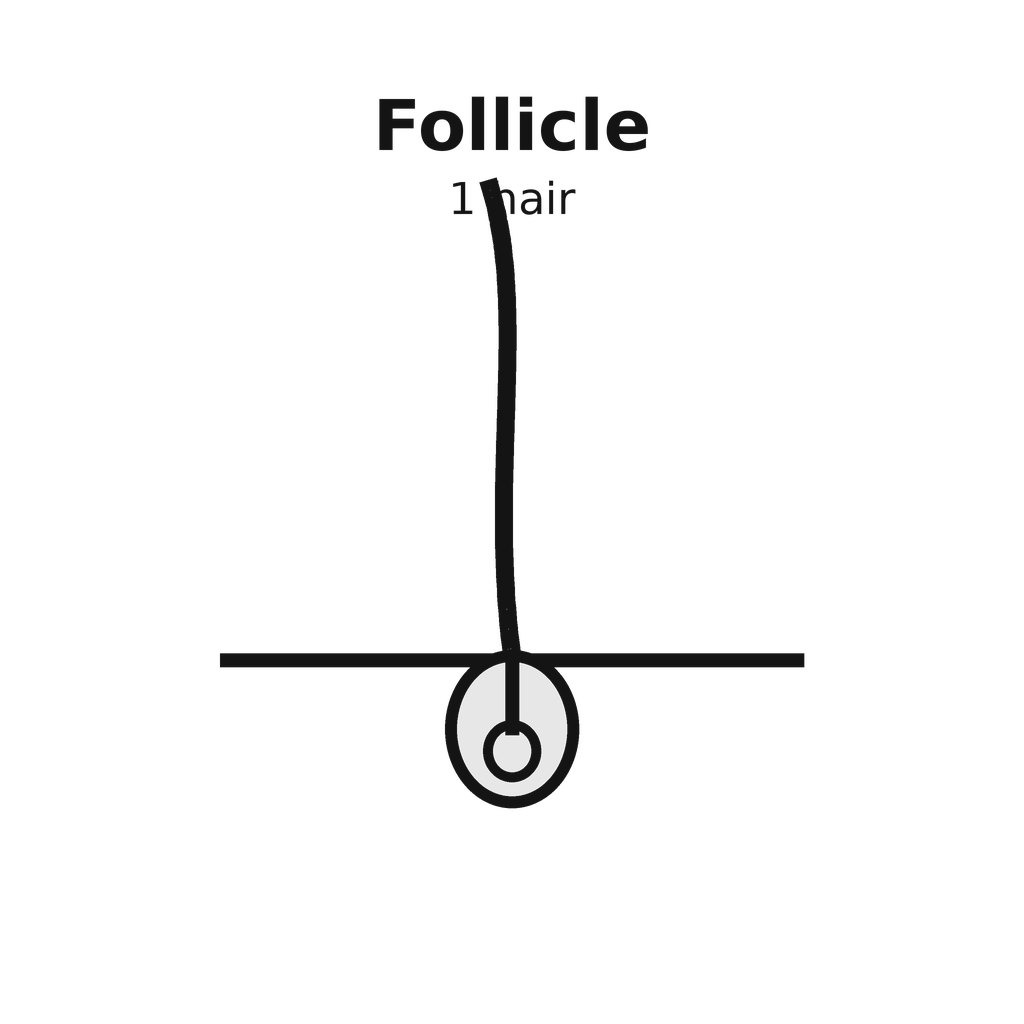
Illustration of a single hair follicle
01

The Hair Follicle

The biological structure responsible for producing an individual hair shaft. Follicle health and hair characteristics contribute to the clinical assessment.
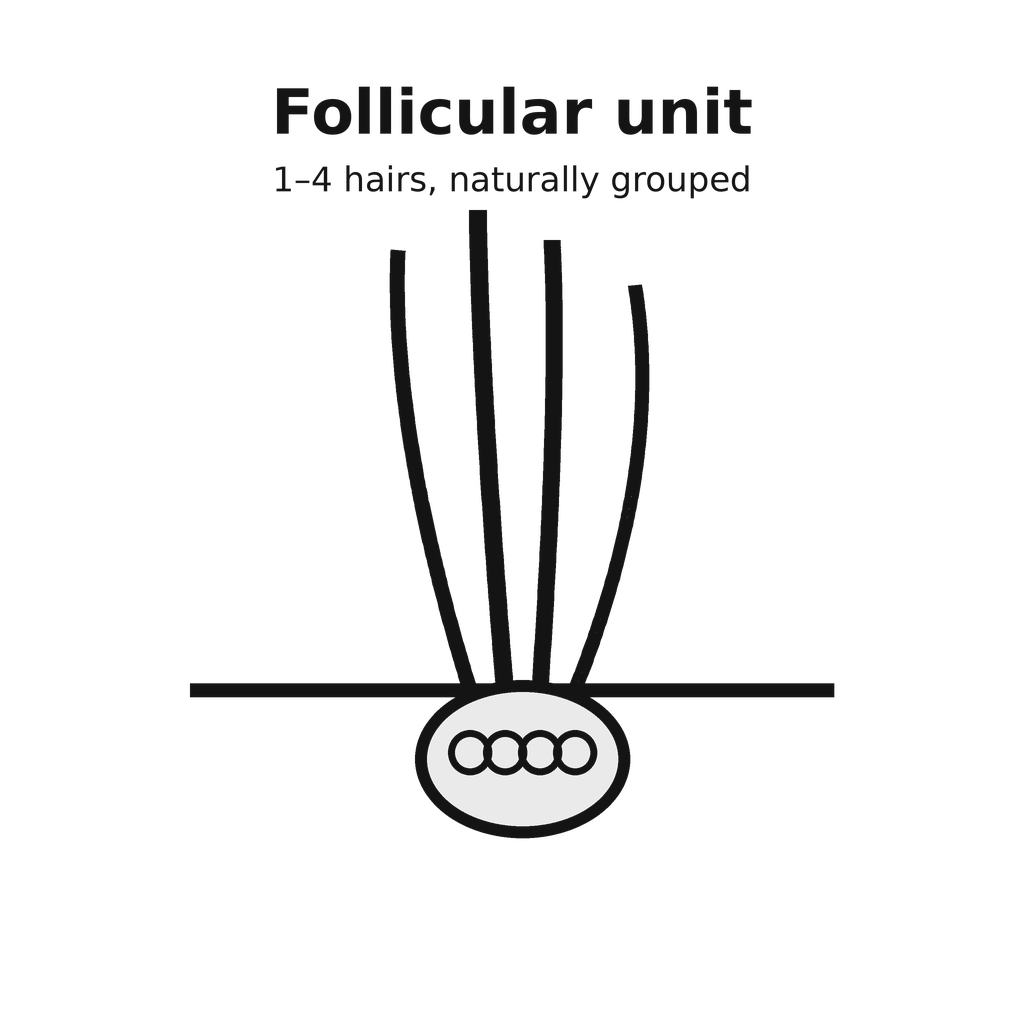
Illustration of a follicular unit containing one to four hairs
02

Follicular Units

Naturally occurring groupings commonly containing one to four terminal hairs. Their composition helps inform the planning of hair distribution and coverage.
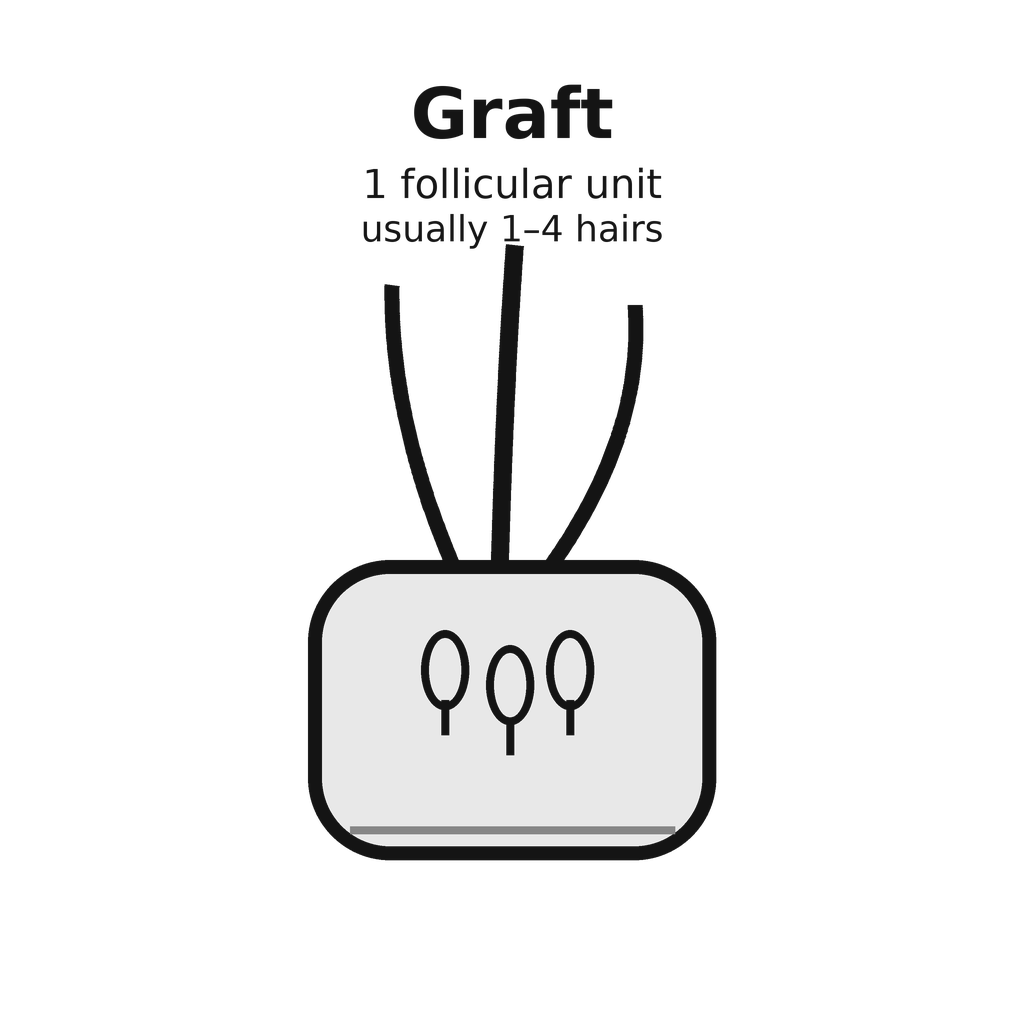
Illustration showing a follicular-unit graft
03

The Graft

In hair transplantation, a graft is a transplanted tissue unit. A graft may contain one or more follicles, so graft numbers and hair counts are not interchangeable.
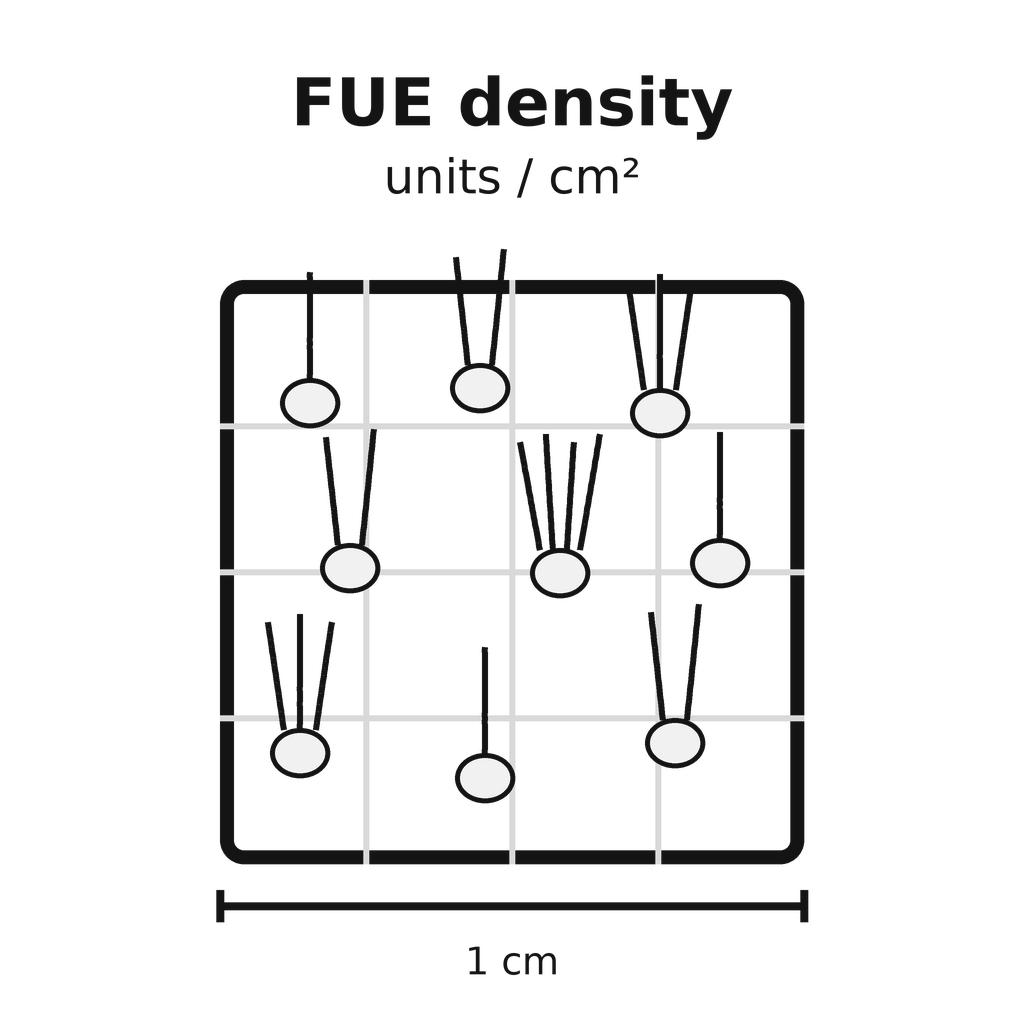
Educational illustration of follicular-unit density in FUE planning
04

Planning Density

Graft density is considered alongside hair calibre, curl, contrast with the scalp, donor availability and the area being treated. Higher density is not always appropriate or achievable.

Individual planning matters. These diagrams are educational illustrations. They do not represent a promised density or a prediction of any patient's surgical result. Suitability and graft requirements must be assessed individually.

The Emerald Standard

A considered approach.
A plan designed around you.

01

Medical Suitability

Hair-loss history, scalp health, medical history and realistic expectations help determine whether surgery is appropriate.

02

Natural-Looking Design

Hairline planning considers facial proportions, age, existing hair and the possibility of future hair loss.

03

Responsible Donor Planning

Donor hair is finite. Its use should be considered carefully, including the possibility of future hair-loss progression or additional treatment.

04

Transparent Expectations

Healing, growth, density and overall results vary. A good consultation explains the limitations, risks, recovery and alternatives as well as the potential benefits.

Frequently Asked Questions

Choosing Your Hair Transplant Doctor

What does ISHRS Full Member status mean?

Full Member status is a professional category within the International Society of Hair Restoration Surgery. The society publishes eligibility and educational requirements for its membership categories. It is one credential to consider alongside medical registration, relevant surgical experience and the quality of a personalised consultation.

Does ISHRS membership guarantee a successful result?

No. Membership does not guarantee any particular surgical outcome. Results depend on individual characteristics, donor supply, the treatment plan, healing and other factors. Your doctor should explain what is realistic for your case rather than offer a universal promise.

Why is donor-area assessment important?

Donor hair is limited. Its density, distribution, characteristics and long-term stability affect how many grafts may be suitable and how they can be used responsibly. The assessment should also consider possible progression of hair loss in untreated areas.

How can I verify Dr. Tünde's professional credentials?

You can visit the official ISHRS doctor profile and the Irish Medical Council register using the links above. The GMC record is also available by reference number; please read the current registration and licence status shown on that register. For RCPI, verify the exact membership category directly against the relevant membership record.

Your Hair Restoration Journey

A Personal Decision.
A Conversation Worth Having.

Begin with a medical discussion about your hair loss, your priorities and the options that may be appropriate for you. Make your decision with clear information, realistic expectations and time to consider your choices.

Emerald Aesthetic Clinic by Dr. Tünde
2nd Floor, Unit 8 St Olave’s, Malahide Road
Kinsealy, Co. Dublin, K36 WC61, Ireland

This page is for general educational purposes and does not replace an individual medical consultation. Professional membership, registration and licence status are distinct matters and should be checked through the relevant official registers. The suitability, risks, likely benefits and expected results of treatment must be assessed individually.

Emerald Aesthetic Clinic by Dr. Tünde

Hair Restoration in Dublin: A Personalised Approach to Hair Loss

Hair loss is personal. Whether you are noticing a receding hairline, thinning at the crown or a change in overall hair density, understanding your options is the first step towards making an informed decision.

At Emerald Aesthetic Clinic by Dr. Tünde, we take a consultation-led approach to hair restoration, considering your pattern of hair loss, donor hair, medical history and long-term goals before discussing suitable treatments.

Doctor-led care Individual assessment and treatment planning
ISHRS Full Member Professional membership in hair restoration surgery
Surgical and non-surgical options Approaches selected according to suitability
Long-term perspective Natural appearance and future hair loss considered
Understanding Your Options

Hair Loss Treatment Tailored to You

There is no single solution for every type of hair loss. The most appropriate option depends on its cause, how quickly it is progressing, the condition of the donor area and your expectations. A medical assessment helps establish which approaches may be appropriate and which are unlikely to deliver the result you want.

01 / SURGICAL

FUE Hair Transplant

Follicular Unit Excision (FUE) involves removing individual follicular units from a suitable donor area and placing them into carefully planned recipient sites. It may suit people who prefer shorter hairstyles and want to avoid a single linear donor scar.

Compare FUE and FUT ↓
02 / SURGICAL

FUT Hair Transplant

Follicular Unit Transplantation (FUT), also known as the strip technique, involves removing a strip of scalp from the donor area and dissecting it into follicular units. It may be appropriate for selected patients following an assessment of scalp laxity, donor density and hairstyle.

Understand the differences ↓
03 / MEDICAL

Non-Surgical Hair Restoration

Medical hair loss management and selected regenerative treatments may help appropriate patients manage certain types of hair thinning. Treatment choice depends on the underlying cause, available evidence and individual medical suitability.

Explore non-surgical options ↓

Considering eyebrow transplantation? Hair restoration may also involve the eyebrows in selected cases. The source of hair, direction of growth, expected maintenance and suitability of the procedure need careful assessment. Ask during your consultation whether this treatment is available for your circumstances.

Surgical Hair Restoration

FUE vs FUT: Which Hair Transplant Technique Is Right for You?

Both techniques relocate your own hair follicles from a donor area to areas affected by thinning or baldness. The main distinction is how the follicles are harvested. Neither method is automatically better for every patient.

FUE Hair Transplantation

Individual follicular units are extracted using small punches distributed across the donor area. The resulting marks are generally small, round scars rather than one continuous linear scar.

  • Often considered by people who prefer shorter haircuts.
  • Does not create the same linear donor scar as FUT.
  • Requires careful distribution of extractions to preserve donor appearance.
  • The number of grafts possible depends on donor characteristics, session length and safe harvesting limits.

Important: FUE is not scar-free. Tiny scars remain, and excessive harvesting can produce visible thinning in the donor area.

FUT Strip Surgery

A strip of scalp is surgically removed from the donor area, and individual follicular units are prepared from that tissue before transplantation.

  • Leaves a linear scar, usually concealed by surrounding hair.
  • May be useful when a larger number of grafts is needed and the patient is suitable.
  • Requires consideration of scalp laxity and the desired hairstyle.
  • Involves a sutured donor wound and its associated healing process.

Important: The linear scar may be noticeable with very short hairstyles, and healing varies between individuals.

Consideration FUE FUT
Harvesting method Individual follicular units A strip of donor scalp, dissected into units
Donor scarring Multiple small dot scars One linear scar
Short hairstyles May be more suitable, depending on scarring and harvesting May reveal the linear scar
Donor limitations Safe extraction density and donor supply Scalp laxity, donor supply and wound closure
Best technique Determined individually by medical assessment, hair characteristics, donor capacity, treatment goals and the surgeon's recommendation.

The aesthetic result depends on more than the harvesting technique. Hairline design, graft quality, placement angle, hair direction, donor management and the progression of native hair loss all matter.

The Art of Hair Restoration

Natural-Looking Results Begin With Thoughtful Planning

A successful hair transplant should complement your facial features rather than look like a transplanted hairline. Creating a natural appearance requires an understanding of hair growth patterns, follicular unit characteristics and the way hair frames the face.

A suitable plan considers your age, current hair loss, family history, donor density and the likelihood of future thinning. A conservative, well-designed hairline may be more appropriate than attempting to recreate the density or hairline of an earlier age.

What influences your result?

  • The number and quality of available donor follicular units.
  • Hair thickness, curl, colour and contrast with the scalp.
  • The size and location of the area requiring coverage.
  • Hairline design and the direction and angle of placement.
  • Healing, graft survival and individual biological variation.
  • Continued loss of non-transplanted hair over time.

No ethical clinic can guarantee a particular density or promise to recreate every hair you previously had. Your consultation should include a realistic discussion of achievable coverage and limitations.

Your Treatment Journey

What to Expect From Hair Transplant Surgery

Every treatment plan is individual, but surgical hair restoration generally follows a series of carefully coordinated steps. Your team should explain the process, recovery requirements and aftercare before you commit to treatment.

STEP 01

Consultation

Discuss your concerns, medical history, previous treatments and expectations. Your hair loss pattern and donor area need assessment.

STEP 02

Personalised Plan

The proposed technique, treatment area, donor capacity, estimated graft requirement, risks and fees should be explained before surgery.

STEP 03

Procedure Day

The treatment area is prepared and local anaesthesia is administered. Grafts are harvested and placed according to the agreed surgical plan.

STEP 04

Recovery & Follow-Up

You receive instructions for washing, sleeping, activity restrictions and follow-up. Growth is monitored over the following months.

Planning travel? Arrange suitable accommodation and transport in advance if needed. You may need to remain locally for initial aftercare or follow-up, depending on your procedure and the treating team's instructions. Do not assume that flying or driving immediately after surgery is appropriate.

Beyond Surgery

Non-Surgical Hair Loss Treatments

Not everyone needs or is suitable for a hair transplant. Depending on the cause of hair loss, medical management or selected regenerative treatments may be worth considering before surgery, alongside it or as a separate approach.

Options may include evidence-based medical therapies and selected treatments such as platelet-rich plasma (PRP). Other regenerative approaches should be discussed in light of the available evidence, regulatory status and individual suitability.

The first priority is to identify the likely cause of hair loss. Sudden shedding, patchy loss, scalp symptoms or unexplained thinning may require further medical investigation before aesthetic treatment is considered.

Can non-surgical treatments be permanent?

Generally, no. Results depend on the treatment and the underlying cause of hair loss. Some therapies require ongoing use or maintenance, and benefits may diminish when treatment stops.

A realistic treatment plan should explain:

  • What the treatment is intended to achieve.
  • How strong the supporting clinical evidence is.
  • How long it may take to assess a response.
  • Potential risks, side effects and contraindications.
  • Likely maintenance requirements and total cost.

No non-surgical treatment should be presented as a guaranteed replacement for transplantation or as a proven solution for every form of hair loss.

General Hair Transplant Questions

Is a hair transplant permanent, and does it really work?

A hair transplant can provide long-lasting results because the follicles are usually taken from a donor area that is more resistant to common pattern hair loss. However, transplanted hair is not guaranteed to remain unchanged for life, and ageing or other conditions may affect hair density over time.

A transplant redistributes existing follicles; it does not create new ones. The outcome depends on donor quality, surgical technique, healing and the progression of hair loss in the untreated areas.

Will my transplanted hair look natural?

Natural-looking results depend on appropriate patient selection, a carefully designed hairline, the direction and angle of each graft, and sensible use of the available donor hair. Hair characteristics and the extent of hair loss also influence the final appearance.

No technique can guarantee that a transplant will be undetectable in every situation. Ask to review relevant, authentic clinical photographs and discuss what is realistic for your own hair.

Will a hair transplant restore my original full head of hair?

Not necessarily. A transplant uses a finite supply of donor follicles to improve coverage in selected areas. The goal is usually to create a balanced appearance and reduce the visual effect of hair loss rather than reproduce your original density exactly.

The number of grafts required depends on the size of the area, existing hair, donor supply and the density that can be achieved safely.

Can a hair transplant fail or go wrong?

Yes. Although hair transplantation is an established surgical procedure, complications and disappointing results are possible. These may include infection, bleeding, swelling, scarring, altered sensation, poor growth, an unnatural hairline or an uneven appearance.

Careful planning, qualified clinical care, appropriate patient selection and adherence to aftercare help manage risks, but cannot eliminate them. Revision surgery may be complex and donor hair may be limited.

Is there an ideal age for a hair transplant?

There is no single ideal age for everyone. The stability and pattern of hair loss, general health, donor capacity and long-term expectations are more important than age alone.

Surgery may be premature for younger people whose hair loss is still progressing. A conservative plan and appropriate medical management may be preferable until the longer-term pattern becomes clearer.

Can women have hair transplant surgery?

Some women may be suitable candidates, but female hair loss has many possible causes. Diffuse thinning, hormonal changes, nutritional factors and inflammatory or scarring conditions need appropriate assessment.

Transplantation is considered only when the cause, donor area and expected benefits make surgery a reasonable option.

FUE Hair Transplant FAQs

Who is a suitable candidate for FUE?

FUE may suit people with an appropriate donor supply who want to address selected areas of thinning or baldness. It can be attractive to those who prefer shorter hairstyles, but suitability depends on the pattern of hair loss, scalp characteristics, medical history and realistic expectations.

FUE is not appropriate for everyone. An assessment is needed to determine whether sufficient donor hair is available without creating visible thinning.

Is FUE painful?

Local anaesthesia is used to reduce pain during the procedure. The injections may cause temporary discomfort, and some patients experience pressure or pulling sensations. Tenderness, swelling or discomfort can occur after the anaesthetic wears off.

The clinical team should explain pain management and what to do if discomfort becomes severe or unexpected.

Does FUE leave scars?

Yes. Each extraction site can leave a small, round scar. These are usually spread across the donor area rather than forming one continuous line. Their visibility depends on the punch size, healing, skin characteristics, extraction density and hairstyle.

Very short haircuts may still reveal scarring. FUE should therefore be described as a different scarring pattern, not a scar-free procedure.

How many grafts can be transplanted in one session?

There is no universal safe number for every patient. The practical limit depends on donor density, follicular unit characteristics, the area being treated, the time required and the need to protect the donor supply.

Your surgeon should estimate the graft requirement after examination rather than promise a high number without considering the long-term donor area.

Is FUE more expensive than FUT?

Pricing varies between clinics and depends on the number of grafts, the technique, clinical resources and the complexity of the procedure. FUE may cost more in some settings because individual extractions can be time-consuming, but this is not universal.

Compare the complete treatment plan, clinical responsibilities, aftercare and what is included in the quotation rather than price alone.

FUT Hair Transplant FAQs

What is the main difference between FUE and FUT?

FUE removes individual follicular units directly from the donor area. FUT removes a strip of scalp, from which follicular units are separated for transplantation. Both approaches use your own hair.

The choice depends on donor characteristics, hairstyle preferences, the graft requirement, scarring considerations and clinical judgement.

Will FUT leave a visible scar?

FUT leaves a linear scar at the donor site. It can often be concealed by hair of sufficient length, but its width and visibility vary with healing, scalp tension and individual characteristics. Very short hair may expose the scar.

Can FUT provide more grafts than FUE?

In selected patients, FUT can be useful when a larger graft yield is needed, but this depends on scalp laxity, donor density, follicular unit quality and the planned procedure. Neither technique guarantees a particular graft count.

Procedure Day, Recovery and Aftercare

Should I cut or shave my hair before surgery?

Do not arrange a haircut or shave unless your clinical team instructs you to. The donor area usually needs preparation for FUE, while FUT has different requirements. The extent of shaving can depend on the planned graft number and the technique being used.

Follow the specific pre-operative instructions provided by your treating team.

How long does a hair transplant take?

Many procedures take several hours and may occupy most of the day. The duration depends on the technique, graft number, clinical workflow and individual circumstances. Your clinic should give you a realistic estimate before treatment.

Will I need a bandage after surgery?

Dressing requirements vary according to the technique and the treating team's protocol. Some patients may not require a substantial head bandage, but a donor dressing or other wound care may be necessary. Do not assume that every procedure is dressing-free.

How much time should I take off work?

Recovery time depends on the procedure, your occupation, swelling, scabbing, discomfort and how comfortable you are with the early appearance of the scalp. Desk-based work and physically demanding work may require different recovery plans.

If you want to keep the procedure private, discuss a suitable period away from work with your clinician. Follow instructions about headwear and protecting the scalp.

When can I wash and style my hair again?

Your clinic will provide a specific washing schedule and instructions for handling the grafts gently. Avoid rubbing, scratching or dislodging grafts during the early healing period.

Hair dye, styling products, vigorous brushing and other cosmetic procedures should be resumed only when your treating team considers it appropriate.

When can I return to sport and exercise?

Light daily activities may be possible relatively soon, but strenuous exercise, heavy lifting, swimming and contact sports may need to be restricted during healing. The exact timeframe depends on your procedure and recovery.

Follow your own post-operative guidance rather than relying on a generic timeline.

Can I wear a hat after a hair transplant?

Appropriate headwear may be permitted, but timing and fit matter. A tight hat or one that rubs against the grafts could interfere with healing. Ask your clinic when and how to cover your scalp, particularly when travelling outdoors.

Growth, Results and Long-Term Expectations

When will I start seeing new hair growth?

Transplanted hairs commonly shed during the early weeks after surgery. This is often a normal stage of the hair growth cycle and does not necessarily mean the grafts have failed.

New visible growth often begins around three to four months, although timing varies. More noticeable cosmetic improvement usually takes several additional months.

How long does it take to see the final result?

Hair restoration is a gradual process. Many patients see substantial development over approximately six to twelve months, while maturation can continue for twelve to eighteen months or longer. The timeline varies with the individual, treatment area and healing.

Will I need another hair transplant?

Some patients achieve their goals with one procedure; others may consider additional surgery if their original goals require more coverage or hair loss progresses. Further surgery is not always possible or advisable, because donor hair is limited.

Your long-term plan should account for future hair loss and preserve donor resources where possible.

Can transplanted hair thin as I get older?

Yes. Although donor follicles selected for transplantation are generally more resistant to common pattern hair loss, they are not completely immune to changes associated with ageing or other medical factors. Hair elsewhere on the scalp may continue to thin, changing the overall appearance.

Non-Surgical Treatments and Pricing

Are non-surgical hair loss treatments permanent?

Most non-surgical treatments do not provide a permanent result after a single session. The outcome depends on the treatment, the diagnosis and whether ongoing therapy is required. Benefits may diminish if an effective maintenance treatment is discontinued.

A treatment plan should explain the expected benefits, evidence, possible side effects and likely maintenance costs.

How much do non-surgical hair treatments cost?

Costs depend on the treatment selected, the number of sessions, the products or equipment involved and the degree of follow-up required. Some approaches involve ongoing expenditure rather than a one-off fee.

Ask for a personalised treatment plan and a clear estimate of the total anticipated cost before proceeding.

How much does a hair transplant cost in Ireland?

Hair transplant prices in Ireland vary according to the technique, graft requirement, surgical complexity, clinical team and aftercare arrangements. A responsible quotation should reflect your individual assessment rather than an arbitrary graft target.

Before comparing clinics, confirm exactly what is included in the price, who performs each surgical stage, whether follow-up is included and what happens if complications arise.

Request information about hair transplant pricing

How do I choose the right hair transplant doctor?

Look for a doctor with relevant training, appropriate professional registration, experience in hair restoration and a transparent approach to risks and limitations. Ask who designs the hairline, who performs the surgical steps and who is responsible for your care throughout the process.

Review genuine, relevant before-and-after results and ask how the clinic manages complications, follow-up and future hair loss. Be cautious of guaranteed results, pressure to book quickly or promises of unlimited donor hair.

What should I ask at my first consultation?

Useful questions include:

  • What is the likely cause of my hair loss?
  • Am I a suitable candidate for FUE, FUT or non-surgical treatment?
  • How many grafts may be appropriate, and why?
  • What results are realistic for my donor supply?
  • What are the risks, recovery requirements and follow-up arrangements?
  • What is the complete cost, including any recommended additional care?

Eyebrow Hair Restoration

Can eyebrow transplantation help with sparse eyebrows?

Eyebrow transplantation may be an option for selected patients with persistent eyebrow hair loss or sparse brows. The cause of the loss must be assessed, especially where inflammation, scarring or an underlying medical condition may be involved.

The procedure requires precise placement to follow the natural direction and angle of eyebrow hair. Suitability and treatment availability should be confirmed during consultation.

Will transplanted eyebrow hair need maintenance?

Often, yes. When follicles are taken from the scalp, the transplanted hairs may continue to grow longer than natural eyebrow hairs. Regular trimming and shaping may therefore be needed. Growth and final appearance vary between individuals.

Your Next Step

Start With a Personal Hair Restoration Consultation

The right treatment begins with understanding your hair loss, your priorities and the options that are realistically available to you. Arrange a consultation to discuss a personalised approach to hair restoration with Dr. Tünde Tarjányi.

Emerald Aesthetic Clinic by Dr. Tünde · Kinsealy, Co. Dublin, Ireland

Medical information: This page provides general educational information and is not a substitute for individual medical advice, diagnosis or treatment. Eligibility, results, recovery and risks vary between patients. All procedures should be considered following an appropriate clinical assessment. Treatment availability, the responsible surgical team and the location where any procedure is performed should be confirmed directly with the clinic.

Emerald Aesthetic Clinic by Dr. Tünde

Gender-Affirming Hair Restoration in Dublin, Ireland

Your hairline is an important part of how you see yourself. Whether you are experiencing hair loss during testosterone therapy, seeking a softer and more feminine hairline, or exploring your options for a more gender-affirming appearance, your treatment plan should begin with your individual goals.

At Emerald Aesthetic Clinic by Dr. Tünde, near Malahide in North Dublin, we understand that hair restoration is about more than hair density alone. It can be an important part of feeling more comfortable and confident in your appearance.

Dr. Tünde Tarjányi is an aesthetic doctor and surgeon and a Full Member of the International Society of Hair Restoration Surgery (ISHRS). Consultations focus on your medical history, hair characteristics, donor area, treatment expectations and the most appropriate options for your circumstances.

Personalised, doctor-led care. Discuss your concerns directly with Dr. Tünde, with an emphasis on individual assessment, realistic expectations and natural-looking results.
FtM · Transmasculine Hair Restoration

Hair Transplant Options for Trans Men

Have your temples started to recede since beginning testosterone therapy? Are you noticing increased scalp visibility around the crown, a changing hairline or thinning that affects your confidence?

Testosterone can contribute to androgenetic alopecia in genetically susceptible individuals. Some testosterone is converted into dihydrotestosterone (DHT), a hormone that can progressively shrink susceptible hair follicles. This process, known as follicular miniaturisation, may cause the hairline to recede or the crown to become thinner.

A carefully planned hair transplant may help restore hair in selected areas and create a more masculine hairline. The approach depends on your existing hair, the strength of your donor area, your pattern of hair loss and your long-term goals.

What can an FtM hair restoration plan address?

  • Receding temples and changes to the frontal hairline.
  • Selected areas of thinning around the crown.
  • Hairline design that complements your facial features.
  • Assessment of donor hair and future hair-loss risk.
  • Discussion of suitable surgical and non-surgical options.

Ongoing testosterone therapy does not automatically rule out a hair transplant. However, future hair loss can continue in non-transplanted hair, so treatment planning should take your current therapy and likely long-term changes into account.

MtF · Transfeminine Hair Restoration

Feminising Hairline Design for Trans Women

A high forehead, deep temporal recessions or a hairline that feels too angular can remain a concern even after other changes associated with gender-affirming hormone therapy. You may wish to achieve a softer, rounder or lower-looking hairline that better reflects your personal goals.

Feminising hair restoration focuses on the overall shape, position and framing of the hairline, rather than density alone. Where appropriate, a hair transplant can redistribute healthy donor follicles to selected areas to soften temporal recessions and create a more rounded frontal contour.

What may be considered during planning?

  • Frontal hairline shape and the depth of the temples.
  • Facial proportions and your preferred hairline position.
  • Existing density and the availability of donor follicles.
  • Current or planned hormone therapy.
  • Long-term maintenance and the possibility of further hair loss.

Hormone therapy may reduce the progression of androgenetic hair loss in some individuals, but it cannot reliably restore all hair that has already been lost. A clinical assessment helps determine whether transplantation, medical management or a combination of approaches is appropriate.

Individualised Care

Gender-Affirming Hair Transplantation: Your Goals Come First

Gender-affirming hair restoration is not a single standard procedure. It is a personalised approach to hairline design and hair-loss management for transgender and gender-diverse people.

Some patients want to restore density following testosterone- associated hair loss. Others want to soften the hairline, reduce the appearance of temporal recession or explore whether transplantation could help them feel more at home in their appearance.

Your goals guide the discussion. You can talk openly about your transition, hormone therapy, hair-loss concerns and desired outcome without being expected to fit a predefined treatment plan.

At Emerald Aesthetic Clinic by Dr. Tünde, we aim to provide respectful, individualised care and to discuss treatment options in a professional, confidential clinical setting.

Understanding Hair Loss

Terminal, Miniaturised and Vellus Hair

Not every hair contributes equally to visible scalp coverage. Hair shaft thickness, follicle characteristics, distribution and donor-area quality all influence the planning of a hair transplant.

In androgenetic alopecia, susceptible follicles can gradually produce finer, shorter hairs. Understanding this process is important when evaluating existing hair and selecting suitable donor follicles.

01

Terminal Hair

Terminal hairs are mature, generally thicker and more visible than fine vellus hairs. They contribute substantially to the appearance of scalp coverage.

Typical shaft diameters are approximately 60–84 microns, although normal measurements vary between individuals and anatomical areas.

02

Miniaturised Hair

Miniaturised hairs are finer hairs produced by follicles affected by progressive miniaturisation. In androgenetic alopecia, DHT can contribute to this process in genetically susceptible follicles.

Shaft diameters of approximately 30–60 microns can be seen in this category, although these ranges overlap and are not diagnostic on their own.

03

Vellus Hair

Vellus hairs are typically fine, short and lightly pigmented. They contribute less to visible hair density than thicker terminal hairs.

Their shaft diameter is commonly below approximately 30 microns.

04

Why Donor Hair Quality Matters

Healthy, suitable donor follicles are central to transplant planning. Hair calibre, follicular miniaturisation, donor density and the stability of the donor area all affect the options available.

Fine or miniaturised hairs are not automatically suitable grafts. Their significance depends on the clinical findings and the overall treatment plan.

These diameter ranges are approximate educational references, not universal diagnostic thresholds. Individual assessment is necessary to interpret hair and follicle characteristics.

Hair and Scalp Assessment

Hair Mass Index and Hair Density

Hair Mass Index (HMI) is a measure used in hair restoration assessment to help describe the amount of hair present within a defined scalp area. Depending on the assessment method, measurements of hair density and shaft calibre can help clinicians understand the extent of thinning and the characteristics of existing hair.

These findings can support treatment planning and provide a reference for monitoring changes over time. When appropriate, clinical examination and scalp imaging can also help identify areas of miniaturisation and evaluate the donor area.

No single measurement determines whether a hair transplant is suitable. The decision also depends on the cause and progression of hair loss, medical history, treatment goals and the amount of healthy donor hair available.

Your Consultation

Meet Dr. Tünde Tarjányi

Choosing hair restoration is a personal decision. A consultation is an opportunity to discuss your priorities, understand the available options and establish realistic expectations before deciding whether to proceed.

Dr. Tünde Tarjányi is an ISHRS Full Member. At your consultation, you can discuss your hair-loss pattern, transition-related goals, donor-area characteristics and whether surgical or non-surgical treatment may be suitable.

Emerald Aesthetic Clinic by Dr. Tünde is located near Malahide in North Dublin, Ireland, offering a convenient location for patients travelling from Dublin and surrounding areas.

Frequently Asked Questions

Gender-Affirming Hair Transplant FAQs

Can trans men have a hair transplant while taking testosterone?

Testosterone therapy does not automatically exclude someone from hair transplantation. However, testosterone-related DHT activity can contribute to ongoing androgenetic hair loss. A clinician should assess your current hair-loss pattern, donor area, medical history and anticipated progression before recommending treatment.

Can a hair transplant create a more feminine hairline?

In suitable candidates, transplantation can help soften temporal recessions and create a rounder, more feminine frontal hairline. The achievable result depends on your existing hairline, donor supply, scalp characteristics and individual anatomy. A consultation is needed to establish a realistic plan.

Will hormone replacement therapy restore lost hair?

Hormone therapy can influence hair growth and the progression of androgenetic alopecia, but individual responses vary. It cannot reliably restore all follicles that have been significantly miniaturised or lost. Persistent hairline concerns may warrant a clinical assessment to discuss available options.

Is a hair transplant permanent?

Transplanted follicles can provide long-lasting growth, but no procedure can guarantee a particular density or lifelong appearance. Existing non-transplanted hair may continue to thin, and results vary. Long-term planning is especially important when hair loss is still progressing.

Am I suitable for an FtM or MtF hair transplant?

Suitability depends on the cause of hair loss, donor-area quality, available follicular units, scalp health, medical history and expectations. Being transgender does not in itself determine suitability. An individual assessment is needed before a recommendation can be made.

Which hair transplant technique is right for me?

The appropriate technique depends on your clinical circumstances, donor characteristics, the amount of hair required and the proposed treatment plan. FUE and FUT have different considerations, benefits and limitations. Your options should be discussed during a consultation rather than selected on technique name alone.

Where is Emerald Aesthetic Clinic by Dr. Tünde located?

The clinic is located at 2nd Floor, Unit 8 St Olave's, Malahide Road, Kinsealy, County Dublin, K36 WC61, Ireland. For enquiries, call +353 87 458 7248 or email drtundetarjanyi@hair-aesthetic.com .

Explore Your Hair Restoration Options

Start with a personal consultation to discuss your goals, your hair and the options that may be appropriate for you.

Individual results vary. Hair transplantation is a surgical procedure and requires a personalised clinical assessment. This information is educational and does not replace medical advice or a consultation with a suitably qualified clinician.

Emerald Aesthetic Clinic by Dr. Tünde

Your Hair Transplant Journey: Preparation, Recovery and Results

A successful hair restoration journey begins long before your procedure and continues throughout the healing process. Knowing what to expect can help you prepare with confidence, protect your scalp during recovery and understand the timeline of new hair growth.

At Emerald Aesthetic Clinic by Dr. Tünde, near Malahide in North Dublin, Ireland, we believe that informed patients are better prepared to make decisions about their hair restoration. Dr. Tünde Tarjányi takes an individualised approach to discussing your hair-loss concerns, treatment options and expectations.

This guide covers preparation before a hair transplant, aftercare following surgery, potential FUE side effects and medical factors that may affect your suitability for treatment.

Please remember: Your own written instructions from the treating surgeon take priority over general online guidance. Follow the medication, washing and recovery plan specifically provided for your procedure.
Before Your Procedure

Pre-Operative Hair Transplant Instructions

Preparation is an important part of surgical hair restoration. Before your procedure, your surgeon will review your medical history, medications, allergies and any conditions that could influence the operation or healing process.

The following guidance explains the key areas to discuss and prepare before your appointment.

1. Medications and Supplements

  • Provide a complete list of prescription medications, over-the-counter medicines, vitamins and supplements.
  • Tell your surgeon about aspirin, anticoagulants, antiplatelet medicines, anti-inflammatory medicines and supplements that may affect bleeding.
  • Ask for specific instructions regarding minoxidil, finasteride and any other hair-loss treatments you use.
  • Confirm which regular medicines you should take on the morning of surgery.
  • Collect any prescribed post-operative medication in advance if your clinic advises this.
Do not stop prescribed medication on your own. Blood thinners and other essential medicines must only be adjusted following advice from the prescribing clinician and surgical team.

2. Alcohol, Smoking and General Health

  • Follow your clinic's instructions on avoiding alcohol before surgery.
  • Tell your surgeon if you smoke or vape, as nicotine exposure may affect circulation and wound healing.
  • Discuss diabetes, high blood pressure, allergies, previous healing problems and other relevant conditions.
  • Eat regularly and maintain good hydration unless your clinical team gives different instructions.
  • Confirm whether fasting is required for your particular procedure and anaesthesia plan.

Never assume that fasting, breakfast or caffeine recommendations are identical for every procedure. Follow the specific instructions provided by your clinic.

3. Hair and Scalp Preparation

  • Ask whether you should wash your hair on the morning of surgery and which shampoo to use.
  • Do not apply styling products, fibres or other scalp products unless your clinic confirms they are acceptable.
  • Report any new scalp irritation, sores, rash or infection before attending.
  • Do not shave your head in advance unless your surgical team has specifically requested it.

A clean, healthy scalp helps your clinical team assess the treatment area and prepare for the procedure.

4. What to Wear and Bring

  • Choose comfortable clothing that will not need to be pulled over your head after surgery.
  • A button-up or zip-front top is usually a practical choice.
  • Arrange transport home if your clinic recommends it.
  • Bring your medication list, relevant medical information and any items requested by your surgical team.
  • Arrive at your scheduled appointment time.

Your clinic will advise whether you may bring headphones, books or other personal items for comfort during the procedure.

Before the day of surgery: Contact your clinic if you develop a fever, infection, new scalp problem or other significant change in your health. The procedure may need to be reassessed or postponed.
After Your Procedure

Post-Operative Hair Transplant Aftercare

The first days after a hair transplant are especially important. The recipient area needs protection while the grafts settle, and the donor area needs appropriate wound care. Your clinic should provide a written plan tailored to your procedure.

The timeline below is a general educational overview. Your surgeon's instructions may differ according to the technique used, the extent of surgery and your individual healing.

Day 0–1: Protect the Grafts

  • Go home and rest as directed by your surgical team.
  • Avoid touching, rubbing or knocking the transplanted area.
  • Use any dressing, saline spray or wound-care products only as instructed.
  • Sleep in the position recommended by your clinic. Head elevation may be advised to help reduce swelling.
  • Take prescribed medicines according to your instructions.
  • Follow the specific timetable for removing any donor-area dressing.

Newly placed grafts are vulnerable to friction and trauma. Do not remove dressings or handle the scalp unnecessarily.

Days 2–3: Gentle Scalp Care

  • Begin or continue washing only when your surgeon advises.
  • Use the recommended shampoo and water temperature.
  • Avoid strong shower pressure directly on the recipient area.
  • Do not rub, scratch or pick at the grafts or scabs.
  • Continue prescribed medicines and aftercare as directed.

Your surgeon may recommend a gentle washing technique, including applying shampoo carefully rather than rubbing it directly into the scalp.

Days 4–10: Healing and Crust Formation

  • Continue gentle washing according to your aftercare plan.
  • Allow crusts to loosen naturally; do not force them off.
  • Follow your clinic's guidance on hats and protective headwear.
  • Avoid direct sun exposure and protect the scalp as advised.
  • Attend any scheduled post-operative reviews.

Small crusts commonly develop around the grafts. They often begin to come away during the first one to two weeks, but the timing varies.

Weeks 2–4: Returning to Normal Activities

  • Resume exercise progressively according to your surgeon's clearance.
  • Follow specific restrictions for swimming, saunas and strenuous activity.
  • Ask when it is safe to use hairdryers, styling products or hair colour.
  • Continue monitoring both the donor and recipient areas.

The scalp may look pink, feel numb or become itchy during healing. These symptoms can be temporary, but persistent or worsening symptoms should be discussed with your clinic.

Seek medical advice promptly if you experience increasing pain, spreading redness, pus, fever, persistent bleeding or swelling that is severe or worsening. Do not wait for a routine follow-up if you are concerned about infection or another complication.
Understanding Regrowth

Hair Transplant Recovery: What Happens Next?

Hair transplantation is a gradual process. The scalp may heal within the first few weeks, but visible cosmetic improvement takes considerably longer. Understanding the difference between wound healing and new hair growth can help you set realistic expectations.

Weeks 2–8: Temporary Shedding

Many patients notice that transplanted hair shafts shed during the early recovery period. This is commonly called post-transplant shedding and does not necessarily mean the grafts have failed.

Months 3–4: Early Regrowth

New growth may begin to become visible around this stage. Early hairs can appear fine, sparse or uneven. The pace of growth varies between individuals.

Months 6–12: Developing Density

The transplanted area generally becomes more established as additional hairs emerge and existing hairs thicken. Progress can be uneven, particularly in the crown.

Months 12–18: Assessing the Result

Hair maturation can continue for 12–18 months or longer. Crown procedures may take longer to show their final appearance. Your surgeon can assess progress during follow-up visits.

Patience matters. Early shedding is common, and the final result cannot be judged in the first few weeks. Individual growth, density and hair characteristics vary.
Protecting Your Investment

Lifestyle and Recovery Recommendations

Your recovery plan should balance protection of the grafts with a safe return to normal daily life. Follow the exact timelines provided by your surgeon, particularly where the advice depends on your procedure.

  • Exercise: Walking may be permitted early, while strenuous exercise and heavy lifting usually require a longer period of restriction.
  • Swimming: Avoid pools, the sea and other water activities until your clinic confirms that the scalp has healed sufficiently.
  • Sun exposure: Protect the healing scalp from direct sunlight. Ask when protective headwear can safely be worn without disturbing the grafts.
  • Alcohol: Follow your surgeon's instructions about alcohol before and after the procedure, particularly while taking medication.
  • Smoking and vaping: Discuss a cessation plan with your clinician. Nicotine exposure can impair circulation and wound healing.
  • Hair products: Avoid dyes, styling products, fibres and high-heat styling until your surgeon confirms that it is safe to resume them.
  • Nutrition: A balanced diet and adequate protein intake support general recovery. Supplements should only be used when appropriate for your needs.
FUE Hair Restoration

FUE Hair Transplant Side Effects and Risks

Follicular Unit Extraction (FUE) involves removing individual follicular units from a donor area and placing them into selected recipient sites. It is a widely used hair restoration technique, but it remains a surgical procedure and carries potential side effects and complications.

Understanding these possibilities before treatment helps you make an informed decision and recognise when symptoms require medical attention.

Common Short-Term Side Effects

Swelling

Swelling may affect the scalp, forehead and sometimes the area around the eyes. It often develops during the first few days and gradually settles. Follow your clinic's instructions on head elevation and swelling management.

Pain and Discomfort

Tenderness or discomfort can occur in both donor and recipient areas. Your clinician can advise which pain relief medicines are appropriate for your medical history and procedure.

Minor Bleeding and Scabbing

Small punctures created during extraction and implantation may bleed slightly and develop crusts. Avoid picking at the area, and follow the wound-care plan provided by your surgical team.

Redness, Itching and Tingling

Temporary redness, itching, numbness or tingling may occur as the scalp heals. Symptoms should gradually improve. Persistent or worsening symptoms warrant clinical review.

Temporary Hair Shedding

Transplanted hair shafts may shed during the first several weeks. Temporary shedding can also affect existing hair near the recipient area. Regrowth generally takes months, rather than days or weeks.

Folliculitis

Inflammation around hair follicles can appear during recovery or as new hair grows. New bumps, pustules or increasing tenderness should be assessed by a clinician rather than self-treated.

Potential Long-Term Effects

  • Scarring: FUE generally leaves small, dot-like scars in the donor area. These are permanent and may be more visible with very short hairstyles or certain skin and hair characteristics.
  • Uneven growth: Transplanted hairs may emerge at different rates, and density may take months to mature.
  • Altered sensation: Numbness or changes in scalp sensitivity can persist beyond the initial healing period and occasionally last longer.
  • Donor-area thinning: Excessive extraction can make the donor region look sparse. Careful planning is important because donor supply is limited.
  • Unsatisfactory cosmetic results: Hairline position, graft direction, density or future hair loss can affect the final appearance. Some cases may require further treatment or corrective surgery.

Less Common but Important Complications

  • Infection: Infection can affect the donor or recipient area and may require medical treatment.
  • Allergic reactions: Reactions to local anaesthetics, antiseptics or prescribed medicines are possible. Report known allergies before treatment.
  • Abnormal scarring: Some individuals are prone to hypertrophic scars or keloids. Disclose any personal or family history of abnormal scarring.
  • Cysts: Small cyst-like lesions can develop during healing or regrowth. Persistent, painful or inflamed lumps should be examined.
  • Persistent pain or altered sensation: Rarely, nerve-related symptoms can last longer than expected and require further assessment.
  • Unexpected healing reactions: Rare symptoms such as persistent hiccups have been reported after hair restoration procedures. Tell your clinical team about symptoms that are severe or do not resolve.
When to seek urgent advice: Severe or rapidly increasing pain, spreading redness, pus, fever, uncontrolled bleeding, marked swelling or an allergic reaction needs prompt medical assessment. Breathing difficulties or swelling of the tongue or throat require emergency care.
Patient Suitability

Hair Transplant Contraindications: Are You a Suitable Candidate?

Hair transplantation can improve the appearance of selected areas of hair loss, but it is not the right solution for everyone. The cause of hair loss, scalp health, donor supply, general medical condition and expectations all influence whether surgery is appropriate.

Some conditions mean that a procedure should be postponed until the problem has been assessed or treated. Other circumstances require additional investigations, specialist input or a more cautious treatment plan.

1. Active Scalp Infection

Conditions such as active folliculitis or other scalp infections can interfere with healing and increase the risk of complications. The infection should be evaluated and managed before elective hair transplantation is considered.

2. Scarring or Inflammatory Alopecia

Conditions such as lichen planopilaris and frontal fibrosing alopecia can damage follicles and cause scarring. Active inflammation may affect both existing and transplanted hair. Specialist assessment is essential before surgery is considered.

3. Alopecia Areata

Alopecia areata is an immune-mediated condition that can cause unpredictable patchy hair loss. Transplantation during active disease may have unreliable outcomes. Assessment and disease stabilisation are important before considering surgical treatment.

4. Diffuse Unpatterned Hair Loss

Widespread thinning that also affects the potential donor region may leave insufficient stable follicles for transplantation. The cause of diffuse shedding should be investigated before donor hair is harvested.

5. Advanced Hair Loss and Limited Donor Supply

Extensive baldness does not automatically exclude someone from treatment, but a limited supply of suitable donor follicles may prevent full coverage. Planning must prioritise achievable density and a natural appearance over unrealistic expectations.

6. Medical Conditions and Healing Risks

Uncontrolled diabetes, high blood pressure, active infections, certain autoimmune disorders and other significant medical conditions may affect surgical safety or healing. Individual medical review determines whether treatment can proceed safely.

Other Factors That May Affect Suitability

  • Medicines that affect bleeding, immunity or wound healing.
  • Smoking or nicotine use that may impair healing.
  • Ongoing or rapidly progressing hair loss.
  • Previous poor wound healing or a tendency to develop abnormal scars.
  • Insufficient donor density or unrealistic expectations about achievable coverage.
A contraindication is not always permanent. Some issues can be treated or stabilised before surgery. Others may mean that a transplant is not advisable. A personalised assessment is the best way to understand your options.
Your Individual Treatment Plan

How Is Hair Transplant Suitability Assessed?

The consultation is an essential part of planning hair restoration. Before recommending a procedure, your clinician should establish the likely cause of hair loss and determine whether the donor area can support the intended result.

Medical and Hair-Loss History

Your history may include the timing and progression of hair loss, previous treatments, current medicines, relevant health conditions and family history.

Scalp and Donor-Area Examination

Hair calibre, density, miniaturisation, scalp condition and donor availability help establish which approaches may be feasible.

Further Investigations Where Needed

Depending on the findings, additional blood tests, dermatology input or, in selected cases, a scalp biopsy may be appropriate to investigate the cause of hair loss.

Realistic Expectations

The proposed plan should consider your desired hairline, available grafts, future hair-loss risk, recovery time and the possibility that further treatment may be needed.

Dr. Tünde Tarjányi is an ISHRS Full Member. At Emerald Aesthetic Clinic by Dr. Tünde, the aim is to support informed decision-making through an individual discussion of your hair-loss concerns and appropriate treatment options.

Patient Information

Hair Transplant: Frequently Asked Questions

How long should I take off work after a hair transplant?

Some patients return to desk-based work within a few days, while others prefer a week or longer, depending on swelling, visible crusting, discomfort and the nature of their work. Follow your surgeon's advice, especially if your job involves physical exertion, dust or a risk of scalp trauma.

When can I wash my hair after FUE?

The timing and technique depend on your procedure and surgeon's protocol. You may be instructed to begin gentle washing within the first few days, but you should not assume that every clinic follows the same schedule. Follow your written aftercare instructions.

Is shedding after a hair transplant normal?

Yes. Transplanted hair shafts commonly shed during the first few weeks after surgery. The follicles may remain in place and later produce new hair. Growth is gradual, and the timing and density of regrowth vary between patients.

When will I see the final hair transplant results?

Visible growth often begins after the first few months. Density and hair calibre continue to develop over time. Many patients need 12–18 months or longer to appreciate the full result, especially in the crown.

Can a hair transplant cause permanent side effects?

Most recovery symptoms are temporary, but permanent dot-like donor scars are expected with FUE. Persistent altered sensation, visible donor thinning, abnormal scarring or an unsatisfactory cosmetic outcome can also occur. Your surgeon should explain the risks relevant to your individual circumstances.

Can I have a transplant if I have a medical condition?

It depends on the condition, how well it is controlled and whether it affects surgical safety or healing. Disclose your complete medical history and medication list before treatment. Additional medical advice may be needed before a decision can be made.

What happens if I am not a suitable candidate?

Surgery may be postponed while a medical or scalp condition is investigated or treated. Depending on the cause of hair loss, non-surgical management, further investigation or referral to an appropriate specialist may be more suitable. The priority is to recommend an approach that is medically appropriate for you.

Does FUE leave a scar?

Yes. FUE produces small, individual scars where follicles are extracted. These are generally less conspicuous than the linear scar associated with FUT, but they are permanent and can become visible with very short hair or excessive extraction.

How can I help achieve the best possible result?

Choose an appropriately qualified and experienced surgical provider, disclose your medical history, follow the personalised aftercare plan and attend recommended follow-up appointments. Avoid activities and products that your surgeon has restricted during healing. Even with careful care, individual results cannot be guaranteed.

Emerald Aesthetic Clinic by Dr. Tünde

Take the Next Step in Your Hair Restoration Journey

Understanding preparation, recovery and suitability is an important first step. If you are considering hair restoration in Dublin or the surrounding areas, arrange a consultation to discuss your concerns and the options that may be appropriate for you.

Dr. Tünde Tarjányi is an ISHRS Full Member. Your treatment discussion should focus on your individual needs, medical suitability and realistic expectations.

Location: 2nd Floor, Unit 8 St Olave's, Malahide Road, Kinsealy, Co. Dublin, K36 WC61, Ireland.

Medical information disclaimer: This page is intended for general educational purposes and does not replace a medical consultation, diagnosis or personalised surgical instructions. Hair transplant suitability, recovery and outcomes vary. All procedures carry potential risks. Follow your treating clinician's advice and seek medical attention if you experience concerning symptoms.

Emerald Aesthetic Clinic by Dr. Tünde · Dublin, Ireland

Content Management System