
Nasolabial Fold Treatment for Women in Dublin
Restore Facial Balance and Soften Smile Lines with a Personalised Treatment Plan. Experience doctor-led facial rejuvenation performed by Dr Tünde Tarjányi at Emerald Aesthetic Clinic, Dublin.
Aesthetic Focus
Facial harmony over lines
Clinical Base
Doctor-led assessment
Duration
Tailored per plan
Recovery
Minimal social downtime
What Are Nasolabial Folds?
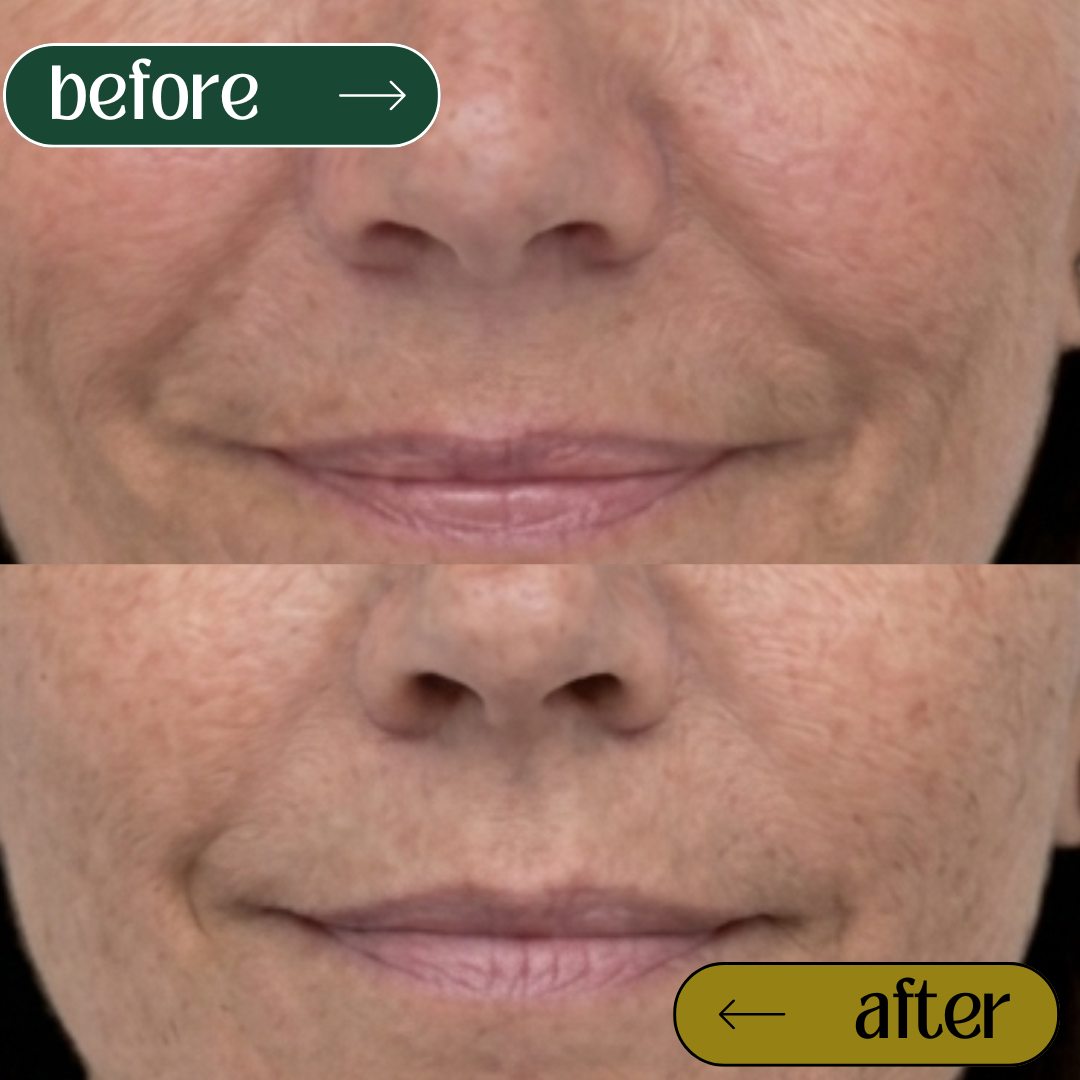
Nasolabial folds are the deep lines or indentations that stretch from the sides of the nose down to the corners of the mouth. While commonly called "smile lines" or "laugh lines," they are a completely natural anatomical feature present even in early childhood during facial movement.
Unlike marionette lines, which run vertically down from the corners of the mouth to the jawline and can create a downturned appearance, nasolabial folds border the central mid-face. As the years progress, these dynamic lines often become more prominent at rest. This change is not simply a skin issue; it is primarily caused by structural shifting and a loss of support in the cheeks above.
Mid-Face Structural Descent Flow
Youthful Mid-Face → Volume Loss → Cheek Support Decreases → Nasolabial Fold Deepens
The Underlying Causes of Mid-Face Ageing
The deepening of lines between the nose and mouth involves several structural changes beneath the skin surface.
Natural Ageing
Mid-Face Volume Loss
Collagen Reduction
Skin Laxity
Repetitive Expressions
Weight Loss
Sun Exposure
Genetics
Mid-Face Facial Anatomy Explained
Achieving a balanced rejuvenation requires a thorough understanding of the deep tissue layers of the mid-face. The youthful position of the cheeks is maintained by a complex network of cheek fat pads, structural ligaments, and the SMAS (Superficial Muscular Aponeurotic System), which are held in place by strong zygomatic support structures.
As we age, these fat pads gradually lose volume and slide downward, while the supportive ligaments lose their natural tension. This causes the soft tissues of the cheek to shift forward and downward, resting against the fixed muscle structures around the mouth. This process forms the physical crease known as the nasolabial fold. Treating this area effectively means restoring the underlying support rather than simply filling the surface line.
Mid-Face Structural Support Mapping
Visual overview displaying the anatomical relationships between Cheek Fat Pads, Retaining Ligaments, SMAS Layers, Zygomatic Support, and Skin Elasticity.
Why Treating Only the Fold Isn't Always the Best Solution
Placing dermal filler directly into the nasolabial fold without evaluating the rest of the face can make the central part of the face look heavy and unnatural. A professional approach treats the root cause of the lines, which often lies higher up in the mid-face.
Depending on your unique facial structure, your personalized plan may focus on several key areas:
Mid-Face Structural Support
Restoring volume to the cheeks lifts the tissues below, softening the fold naturally.
Skin Quality Improvement
Strengthening the skin surface helps reduce deep creases during movement.
Targeted Direct Softening
Applying minimal product directly to the line when needed for a smooth finish.
The Clinical Assessment & Planning Journey
Volume Loss Identified → Professional Facial Assessment → Root Cause Found → Personalised Plan Created
Why Similar Smile Lines May Need Different Treatment Approaches
This comparison shows how clinical plans are customized based on age, skin quality, and structural changes, rather than using a one-size-fits-all approach.
| Patient Clinical Profile | Likely Primary Structural Concern | Recommended Clinical Approach |
|---|---|---|
| Patient A: Early 40s Good skin quality, early lines. |
Mild structural volume loss in the mid-face area. | Subtle mid-face support to lift tissues, combined with target line softening. |
| Patient B: Late 50s Reduced skin elasticity, deeper folds. |
Significant structural volume loss paired with skin laxity. | A combination plan using structural support alongside skin boosters or polynucleotides. |
Non-Surgical Mid-Face Rejuvenation Options
Dermal Fillers
Used carefully to restore lost support in the mid-face and cheeks, lifting the tissues below to soften lines naturally.
Skin Boosters
Provide deep hydration to improve skin elasticity and smooth out fine surface lines around the mouth.
Polynucleotides
Support natural tissue repair and stimulate collagen production to improve skin firmness from within.
Collagen-Stimulating Treatments
Encourage gradual, long-term improvements in the skin's underlying structural network.
Combination Approach
Blends structural support with surface skin care to deliver the most balanced, natural-looking results.
Who Is a Good Candidate?
- You notice smile lines between your nose and mouth becoming deeper and more visible
- You experience mild to moderate volume loss across the cheeks and mid-face
- Early signs of facial ageing alter your natural profile contours
- Your skin maintains good structural elasticity and healing capacity
- You are seeking a subtle, refreshing rejuvenation rather than a dramatic change
- You prefer safe, non-surgical clinical options with minimal downtime
Benefits of Balanced Mid-Face Rejuvenation
Softer Smile Lines
Gently smooths out deep creases between the nose and mouth for a refreshed appearance.
Better Facial Balance
Restores lost volume to the mid-face, bringing harmony back to your overall features.
Natural Appearance
Avoids an over-treated look by focusing on structural support rather than overfilling lines.
Restored Contours
Gently redefines the cheeks and mid-face profile for a clean, elegant look.
Fresher Look
Reduces a heavy, tired appearance, leaving you looking well-rested and energetic.
Improved Confidence
Helps you feel refreshed and vibrant, matching how you feel on the inside.
Understanding Different Facial Lines & Folds
This overview explains how different upper and lower face concerns are evaluated and managed based on their anatomical location.
| Area of Concern | Typical Face Location | Common Clinical Approach |
|---|---|---|
| Nasolabial Folds | Extends from the sides of the nose down to the corners of the mouth. | Full assessment of mid-face support, followed by targeted care. |
| Marionette Lines | Runs from the corners of the mouth down toward the jawline. | Lower face assessment to support and lift the mouth corners. |
| Tear Troughs | Located in the delicate area immediately underneath the eyes. | Targeted eye-area assessment to restore volume smoothly. |
| Cheek Volume Loss | Affects the central and outer parts of the mid-face. | Structural support to restore contour and lift the lower face. |
Synergistic Facial Treatment Combinations
Addressing multiple signs of facial changes together often creates the most natural results, ensuring balance across all areas.
| Paired Treatment Option | Clinical Benefit for the Patient |
|---|---|
| Cheek Enhancement | Restores underlying support to the mid-face, lifting the tissues below to soften lines naturally. |
| Marionette Line Treatment | Smooths out lines in the lower face, creating a balanced and welcoming look. |
| Dermal Skin Boosters | Provides deep hydration to improve skin elasticity and smooth fine texture lines. |
| Polynucleotides Therapy | Triggers natural tissue repair and boosts collagen to improve skin firmness from within. |
| Full-Face Rejuvenation | Evaluates and treats multiple areas together to ensure complete harmony across your features. |
Your Healing & Results Timeline
Day 1: Tailored Treatment Session
Minor swelling or light redness may occur at the injection points, which normally clears quickly.
Week 1: Softening & Settling
The product integrates smoothly with your natural tissues, and initial swelling resolves.
Weeks 2–4: Final Harmonization
The treatment settles completely, revealing a beautifully soft, natural-looking improvement.
Long-Term Care Stage
Enjoy refreshed facial contours, with maintenance visits planned depending on your choice of treatment.
Why a Doctor-Led Assessment Matters
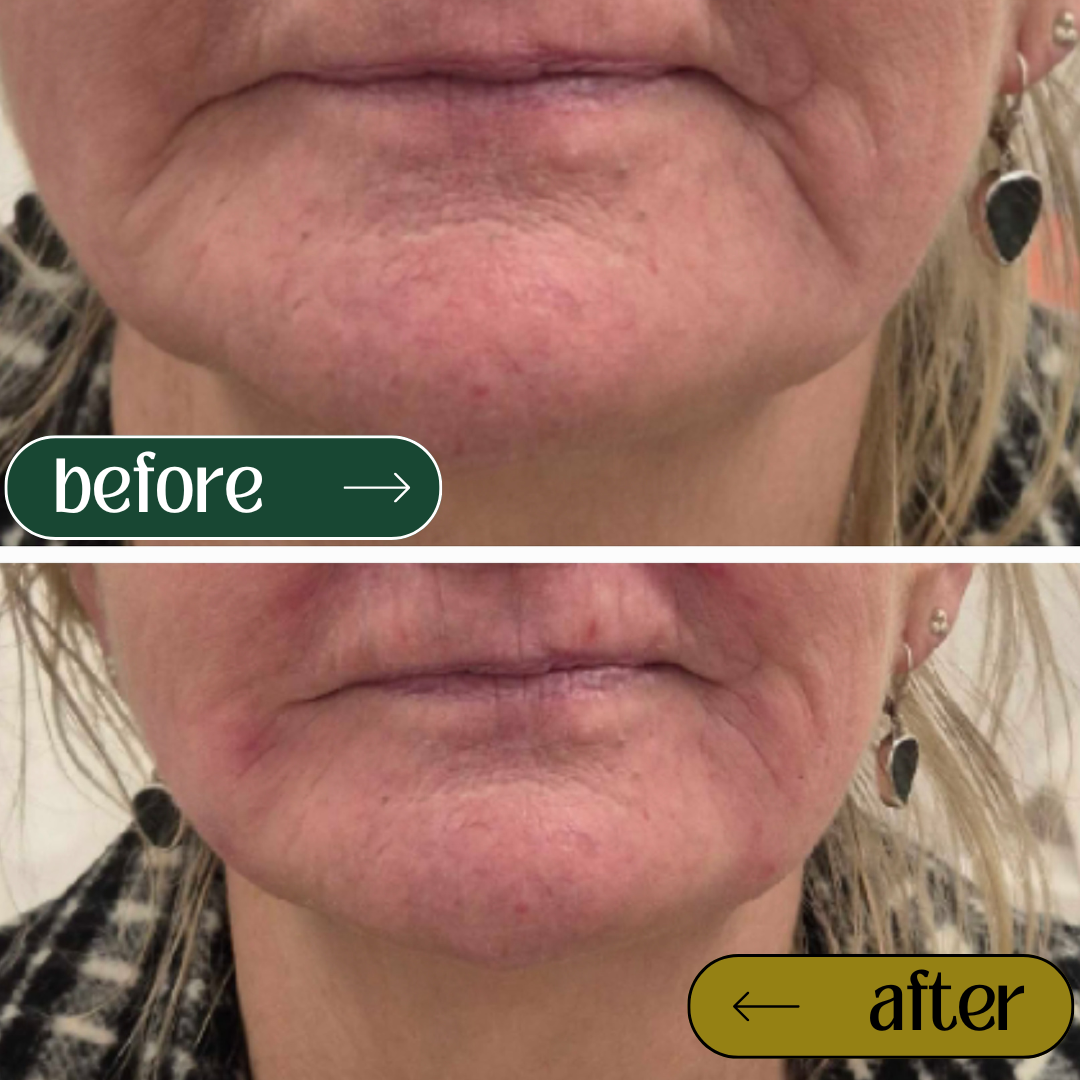
Mid-face rejuvenation requires precise anatomical knowledge. Because lines between the nose and mouth are often caused by volume loss higher up, successful care depends on a detailed, professional evaluation rather than just filling the visible crease.
A doctor-led approach ensures safe, high-quality care for your aesthetic journey:
Full Facial Analysis
Evaluating your entire facial structure to address the root causes of ageing rather than just treating lines.
Natural Proportion Ethics
Customizing every detail to ensure your results look beautifully balanced and completely natural.
Avoiding Overtreatment
Using product carefully to maintain your authentic features and prevent a heavy or artificial look.
Safety Profile, Side Effects & Clinical Aftercare
Prioritizing correct medical guidelines before and after your procedure ensures comfortable healing and beautiful, lasting results.
Before Your Appointment
Avoid drinking alcohol, taking blood-thinning supplements, or using anti-inflammatory medications for 24 hours before your visit to help minimize the risk of tiny bruises.
Immediately Afterwards & First 48 Hours
Do not touch, rub, or apply pressure to the treated areas for the first few hours. Avoid strenuous exercise, hot saunas, steam rooms, and direct sun exposure for 48 hours to allow the tissues to heal smoothly.
Possible Side Effects
Some temporary side effects may occur, including minor swelling, light redness, tenderness, or a small bruise at the injection points. These are completely normal reactions and typically clear within a few days.
When To Contact Our Team
If you experience unusual or increasing pain, changing skin discoloration near the treated area, prolonged swelling, or signs of localized heat, please contact our clinic immediately.
Comprehensive Mid-Face & Profile Rejuvenation Hub
The features of the face are interconnected. Achieving your personal aesthetic goals depends on evaluating how each distinct sub-zone contributes to your overall balance.
